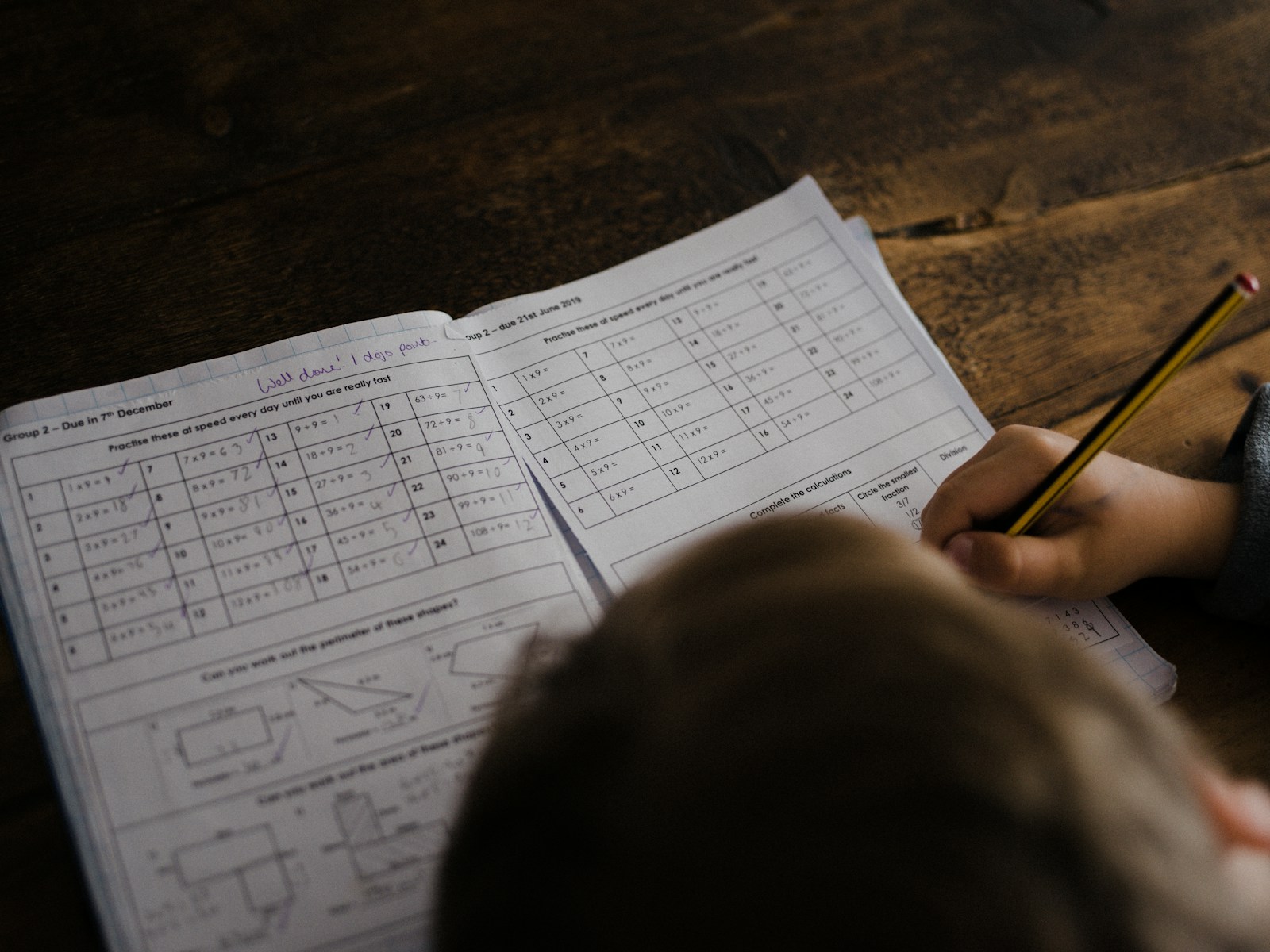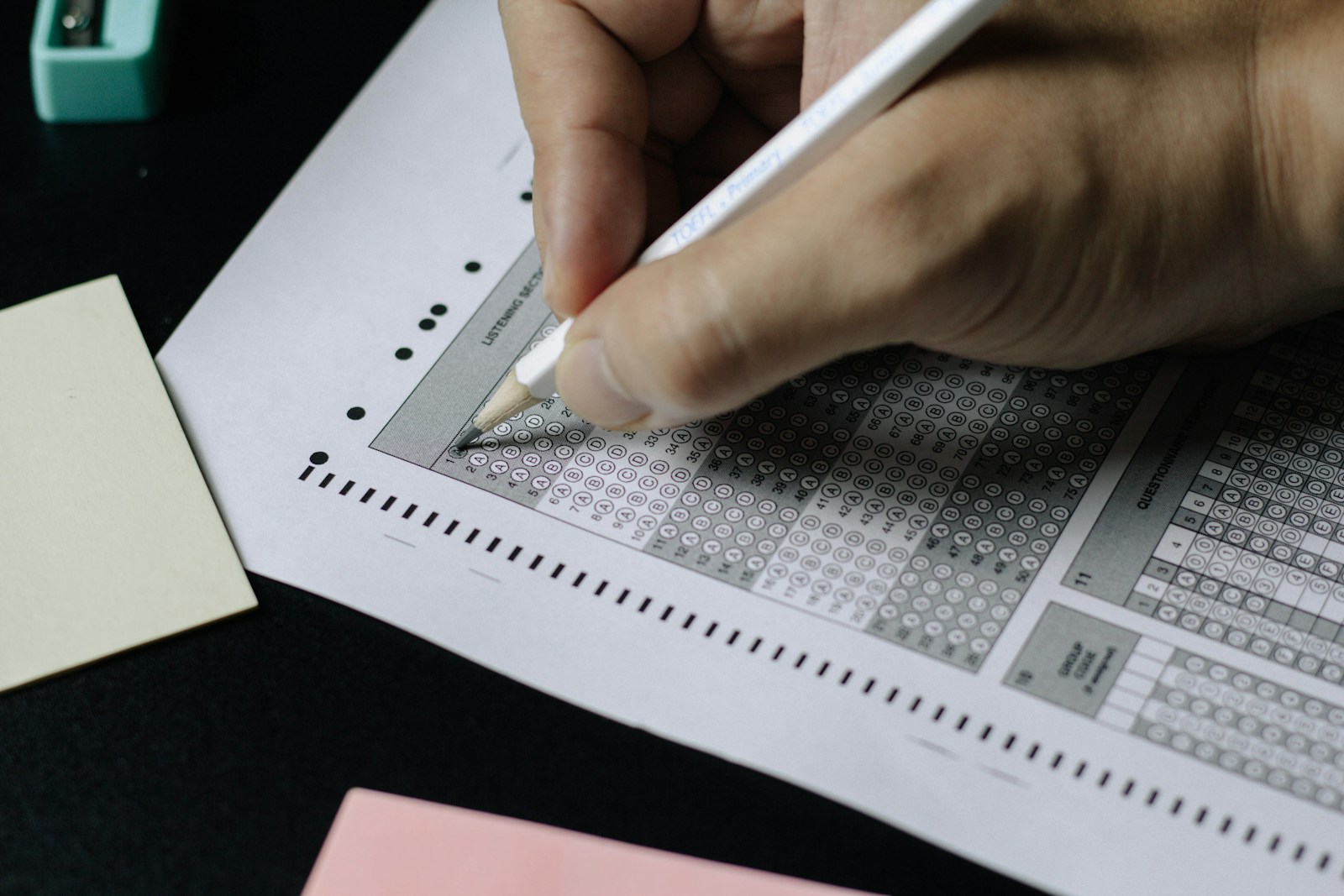
Identifying high abilities should not be understood as quickly labeling based on a striking behavior or an isolated score. In the reviewed materials, it appears more as a process of gathering and interpreting information aimed at understanding educational needs, strengths, difficulties, and responses tailored to a specific context (Molina García, 2014; Arocas Sanchis & Vera Lluch, 2012; Valadez Sierra et al., 2012).
Identification is not always carried out in the same way. It depends on the theoretical model, the criteria of the educational system, the available instruments, and the objective of the evaluation. Some conceptions have historically relied on intelligence tests; others incorporate specific aptitudes, creativity, motivation, performance, context, talent development, or specific domains (Giudice, 2024; Ziegler & Heller, 2000; Pfeiffer, 2015).
This chapter does not offer a procedure for a family, teacher, or adult to “diagnose” themselves. It summarizes how identification is typically approached in educational and psycho-pedagogical literature, and what limitations the sources indicate.
Detecting is not the same as evaluating
In everyday language, words like detect, identify, evaluate, or diagnose are often used interchangeably. The reviewed sources show that they do not always mean the same thing. In the Spanish school context, several works prefer to speak of detection, identification, or psycho-pedagogical evaluation, because the main objective is not clinical, but educational: to adjust the response and guide decisions (Molina García, 2014; Arocas Sanchis & Vera Lluch, 2012).
| Term | What it usually implies | Main caution |
|---|---|---|
| Initial detection | Observe signs, gather feedback from family or teachers, review performance, interests, or productions. | It can initiate an assessment, but it is not enough to conclude high abilities. |
| Educational identification | Integrate various sources to decide if there are specific needs and what measures should be considered. | Depends on the model, criteria, and school context. |
| Psycho-pedagogical evaluation | Broader professional process: abilities, learning, family and school context, socio-emotional development, and needs. | Must be carried out by qualified personnel and result in useful guidance. |
| Clinical diagnosis | Medical or psychological assessment of disorders or clinical conditions when appropriate. | Does not automatically equate to educational identification of high abilities. |
This distinction helps avoid two errors: treating any sign of precocity, curiosity, or high performance as definitive proof, or thinking that if there is no formal label, there can be no real educational needs. Between an initial impression and a professional conclusion, there is a journey that must be undertaken with caution.
Why a single test is not enough
The intelligence quotient has played an important historical role in the identification of high abilities. Several sources acknowledge that intelligence tests can provide relevant information, especially when they are well-chosen, applied, and interpreted (Kerr, 1991; Molina García, 2014; Pfeiffer, 2015). Specific cut-off points also appear in some frameworks or studies, such as an IQ equal to or greater than 130, high percentiles, or specific thresholds for educational programs (Molina García, 2014; Valadez Sierra et al., 2012; Barrera-Algarín et al., 2024).
The nuance is crucial: these cut-off points belong to specific models, research, or institutional procedures. They do not constitute a universal definition. Ziegler and Heller warn that reducing identification to a numerical threshold can be conceptually weak if it is not explained what psychological processes, performance domains, or needs are being evaluated (Ziegler & Heller, 2000).
Psychometric tests also have limitations. Their results can be affected by measurement error, language, culture, familiarity with the format, anxiety, administration conditions, or uneven cognitive profiles (Kerr, 1991; Pfeiffer, 2015; Valadez Sierra et al., 2012). A global score can hide internal strengths and weaknesses: for example, a very high verbal reasoning profile can coexist with a more modest processing speed (Barrera-Algarín et al., 2024; Kerr, 1991).
What information is usually collected
When sources advocate for multidimensional identification, they are not saying that data should be accumulated without criteria. The idea is to combine information that allows for a better understanding of the person’s profile and context. Several sources of information are repeatedly mentioned in the reviewed texts (Molina García, 2014; Arocas Sanchis & Vera Lluch, 2012; Valadez Sierra et al., 2012; Pfeiffer, 2015):
- Standardized tests of intelligence, aptitudes, performance, or creativity, when relevant.
- Teacher observation in the classroom, especially if it is systematic and not limited to general impressions.
- Family information on development, interests, learning pace, out-of-school behavior, and previous experiences.
- Student productions: works, projects, questions, original solutions, or performance in challenging tasks.
- Learning style, motivation, persistent interests, and school, family, and social context.
This combination does not eliminate all errors, but it can reduce the risk of hasty decisions. Arocas Sanchis and Vera Lluch differentiate between formal, informal, and mixed procedures; the latter attempt to integrate tests, observation, nominations, family reports, and productions to obtain a less narrow picture (Arocas Sanchis & Vera Lluch, 2012).
The role of teachers and family
Teachers can detect relevant signs because they observe students for many hours and in shared learning situations. They can notice the speed in understanding relationships, the depth of some questions, the ease of transferring learning, creativity in open tasks, boredom with repetitive activities, or the quality of certain school products (Molina García, 2014; Arocas Sanchis & Vera Lluch, 2012).
But this observation has limits. Some research and reviews warn that teacher nominations can be influenced by expectations, stereotypes, classroom behavior, visible performance, or familiarity with a certain profile of a “brilliant” student (THE SOCIAL, COGNITIVE AND SOCIO-DEMOGRAPHIC PROFILE OF POTENTIALLY GIFTED CHILDREN, 2023; Examining the Relationship Between Gifted Behavior Rating Scores and Student Academic Performance, 2024). A student with high ability and low performance, with attention difficulties, with little oral participation, or from a less privileged background may go more unnoticed.
The family provides another kind of information: early development, intense interests, unusual questions, autonomous learning, or differences between what happens at home and what appears at school. These observations can be valuable, but they do not replace a professional evaluation. Freeman emphasizes the importance of contrasting family and school impressions with objective measures and careful individual assessment (Freeman, 2010).
The prudent conclusion is not to distrust families or teachers, but to integrate their observations into a broader process.
Typical phases of an identification process
There is no single protocol applicable to all educational systems. Even so, several sources describe phased processes. Molina García proposes a sequence that includes application, information analysis, evaluation, psycho-pedagogical report, communication to family and educational team, educational response, and follow-up (Molina García, 2014). Valadez Sierra and collaborators distinguish phases such as search or screening, verification, more detailed identification, and placement or educational response (Valadez Sierra et al., 2012).
In popular terms, the process usually involves five steps:
- Indications or an educational need appear: very high performance, rapid learning, mismatch with classroom pace, outstanding creativity, or unexpected low performance.
- Initial information is collected from the classroom, family, school history, and productions.
- If appropriate, qualified professionals apply instruments suitable for the evaluation’s objective.
- Data are interpreted jointly, avoiding a single score deciding the entire process.
- Educational guidance and follow-up measures are proposed on a case-by-case basis.
The last phase is essential. Identifying without considering the response can result in just a label. Several sources insist that the purpose of identification is to guide educational decisions and support development, not to classify for classification’s sake (Molina García, 2014; Arocas Sanchis & Vera Lluch, 2012; Valadez Sierra et al., 2012).
Early ages: special caution
Early detection can be useful if it helps adjust the environment and prevents a child from spending years without sufficient challenge. Barrera-Algarín and collaborators collected follow-up data in an early identification model and noted that a significant portion of identified students maintained indicators of high ability years later, although the specific profile could change (Barrera-Algarín et al., 2024).
At the same time, sources urge caution. In early ages, it may be more appropriate to speak of precocity, indicators, or probability, because development is not linear, and some profiles consolidate, modify, or express themselves differently with maturation (Molina García, 2014; Barrera-Algarín et al., 2024). False positives and false negatives can also appear: children who initially seem to fit but then do not maintain the same profile, or children with potential who are not detected by the procedure used.
This caution does not mean passively waiting. It means reviewing, monitoring, and adjusting the educational response without turning an early assessment into a permanent judgment.
Biases and students who may go unnoticed
A common concern in the sources is that certain procedures primarily identify students who already resemble the expected model: good performance, adapted behavior, verbal fluency, families with resources to request evaluation, or centers with more experience. The exclusive use of IQ, teacher nominations, or school performance can exclude minority students, those from low socioeconomic backgrounds, those with dual exceptionality, those with low performance, or those with less visible talents in the ordinary classroom (Giudice, 2024; Kerr, 1991; Valadez Sierra et al., 2012).
Broad screening systems, multiple sources, and the review of special cases are proposed precisely to reduce these exclusions, although the sources do not claim to eliminate them completely (Valadez Sierra et al., 2012; Heller et al., 2005). More dynamic and contextualized procedures are also mentioned, such as portfolios, observation in enrichment activities, dynamic assessment, and case studies, especially when seeking to recognize potential that does not appear in brief tests or usual school tasks (Borland & Wright, 1994; Identifying Gifted Potential, 2024).
What an identification can and cannot say
A well-designed evaluation can provide useful information: cognitive strengths, talent areas, learning style, interests, need for challenge, school barriers, and guidance for intervention. It can also help families and schools better understand certain behaviors, as long as the label does not become a total explanation of the person (Molina García, 2014; Kerr, 1991; Giudice, 2024).
What it cannot do is promise a trajectory. Identifying high abilities does not guarantee academic success, emotional well-being, exceptional creativity, or future performance. Nor does it alone explain every difficulty. If problems with anxiety, attention, learning, behavior, or adaptation appear, sources recommend assessing them with appropriate professionals and without automatically attributing them to high ability (Giudice, 2024; Valadez Sierra et al., 2012; Pfeiffer, 2015).
Sources used
- Arocas Sanchis & Vera Lluch (2012), High intellectual abilities. Curriculum enrichment programs .
- Barrera-Algarín et al. (2024), High abilities and education: an approach from research.
- Borland & Wright (1994), Identifying Young, Potentially Gifted, Economically Disadvantaged Students.
- Freeman (2010), Gifted Children: A Guide for Parents and Professionals.
- Giudice (2024), Brief Introduction of Giftedness in Adults.
- Heller et al. (2005), The Munich Model of Giftedness Designed to Identify and Promote Gifted Students.
- Kerr (1991), A Handbook for Counseling the Gifted and Talented.
- Molina García (2014), Curricular adaptations for students with high abilities from tutoring.
- Pfeiffer (2015), Essentials of Gifted Assessment.
- Valadez Sierra et al. (2012), Gifted and talented students: identification, evaluation, and intervention.
- Ziegler & Heller (2000), Conceptions of Giftedness from a Meta-Theoretical Perspective. Incomplete APA reference in knowledge file.
- Examining the Relationship Between Gifted Behavior Rating Scores and Student Academic Performance (2024). Full bibliographic data not available in notes used.
- Identifying Gifted Potential (2024). Full bibliographic data not available in notes used.
- THE SOCIAL, COGNITIVE AND SOCIO-DEMOGRAPHIC PROFILE OF POTENTIALLY GIFTED CHILDREN (2023). Full bibliographic data not available in notes used.